
What is Circular Economy & How Does It Work?

The concept of circular economy has gained traction in recent years, inspiring environmentalists, governments and businesses alike. Once a fringe topic, circularity is now acknowledged globally as the most promising solution to our planet’s looming sustainability issues. However, many diverging definitions and understandings of circular economy exist.
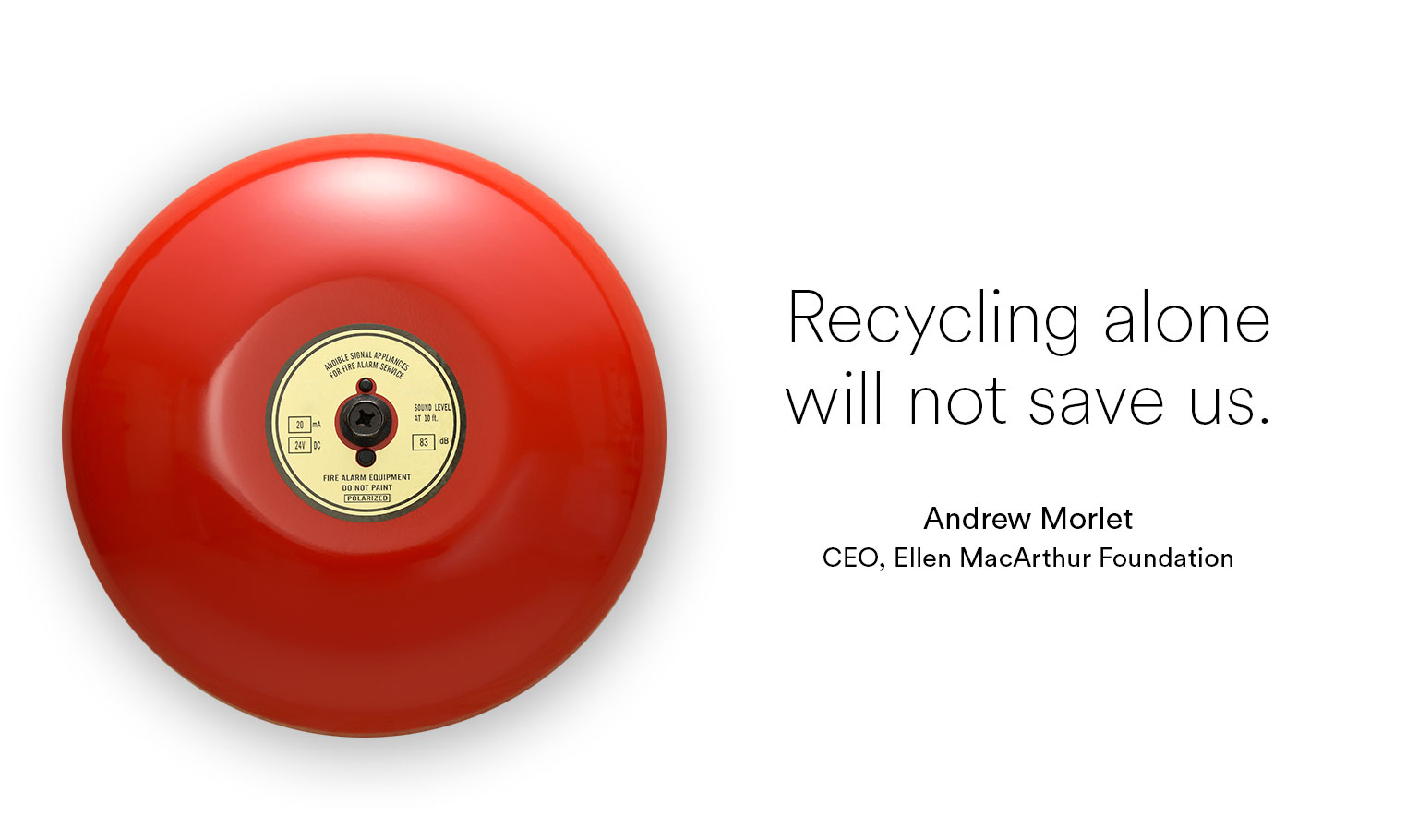
A common misunderstanding minimizes the definition of circular economy to the familiar Reduce-Reuse-Recycle approach. But as Ellen MacArthur Foundation CEO Andrew Morlet explained during a Leading Disruption Panel in 2020: “Recycling alone will not save us.” Circular economy is a “bigger idea” — a significant restructuring that forces us to rethink how we’ve done things since the rise of the first steam engine.
According to the World Economic Forum, a circular economy is “an industrial system that is restorative or regenerative by intention and design.”
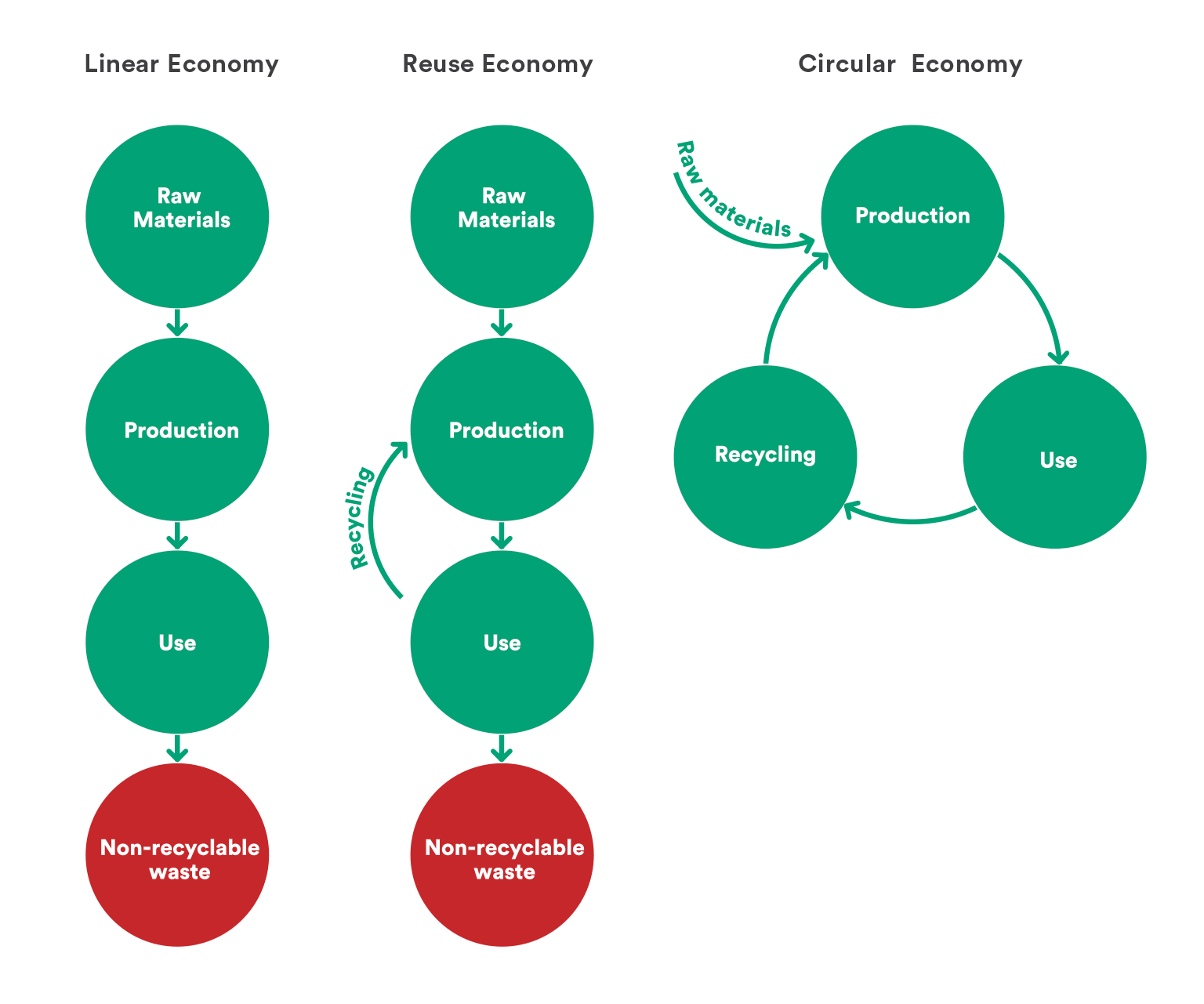
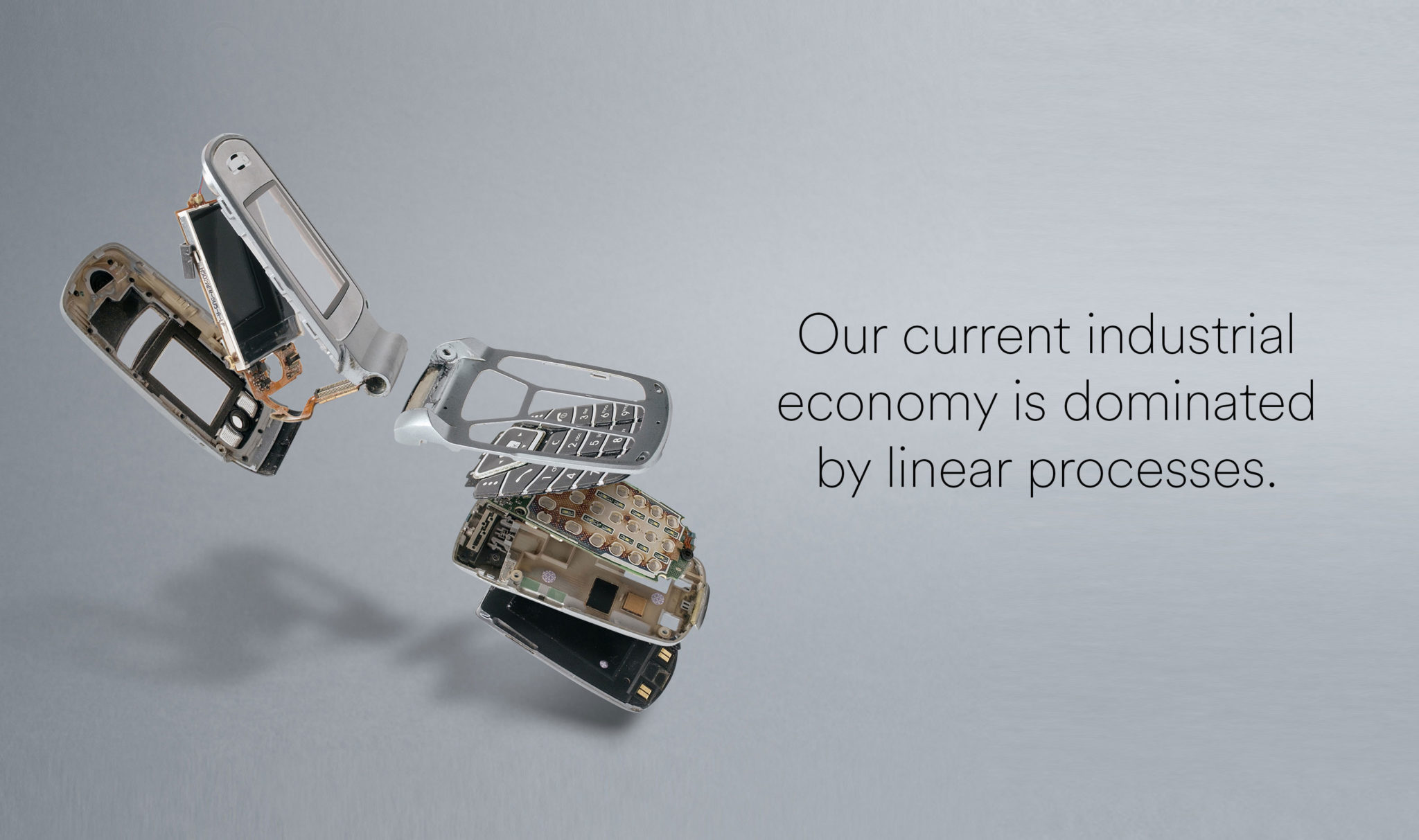
To better understand circular economy we can compare it to our current industrial economy, which is dominated by linear processes. Imagine a massive network of conveyor belts where goods are produced, used and ultimately discarded. This one-way flow has a clear beginning and end.
Our current industrial economy is dominated by linear processes.
Linear Economy

A circular economy works quite differently. It closes the loop on the linear “take-make-consume-throw away” pattern by retaining the highest utility and value of products, components, and materials for as long as possible. With circular economic activity, waste is reduced to a minimum because everything produced is transferred and used somewhere else, continuously.
Circular Economy
How does circular economy work?
1. Designs out waste and pollution
Circular economy designs out economic activities that negatively impact human health and natural systems. This includes the release of greenhouse gases, all types of pollution and traffic congestion.
2. Keeps products and materials in use
Circular economy favors designing products for durability, reuse, remanufacturing, and recycling to keep materials circulating for as long as possible. It’s an economy that encourages many different uses for materials instead of just using them up.
3. Regenerates living systems
Circular economy avoids the use of fossil fuels and non-renewable energy. By preserving and enhancing renewable resources, it returns valuable nutrients to the soil to support regeneration and actively improve the environment.
Who invented circular economy?
With deep-rooted historical and philosophical origins, the notion of circularity can’t be attributed to a single person or place. Over time, circular economy has been developed and refined by a small group of academics, thought leaders and businesses, including:
Walter Stahel and Genevieve Reday: The Potential for Substituting Manpower for Energy
Janine Benyus Biomimicry: Innovation Inspired by Nature
Paul Hawken, Amory Lovins and L. Hunter Lovins: Natural Capitalism: Creating the Next Industrial Revolution
Kenneth Boulding: The Economics of the Coming Spaceship Earth
Gunter Pauli: The Blue Economy
German chemist Michael Braungart and American architect William McDonough (often referred to as the “father of circular economy”) pushed the concept from academic theory to mainstream movement with “Cradle to Cradle: Remaking the Way We Make Things,” a 2002 book that envisioned products being designed to regenerate ecosystems instead of harm them.

What is the vision of circular economy?
To paraphrase French chemist Antoine-Laurent de Lavoisier: “Nothing is lost, everything is transformed.” This adopted motto of the circular movement explains how a closedloop approach doesn’t aim to end growth. Rather, circular economy aims to bend industry back into harmony with nature, so that we can continue to prosper.
In essence, a circular economy mimics Earth’s naturally circular systems. Products and processes are designed so that all waste becomes fodder for something else. In “Cradle to Cradle,” McDonough and Braungart frequently use the metaphor of a cherry tree:
“The tree makes copious blossoms and fruit without depleting its environment. Once they fall on the ground, their materials decompose and break down into nutrients that nourish microorganisms, insects, plants, animals and soil. Although the tree actually makes more of its ‘product’ than it needs for its own success in an ecosystem, this abundance has evolved (through millions of years of success and failure or, in business terms, R&D), to serve rich and varied purposes.”
McDonough and Braungart go on to ask: “What might the humanbuilt world look like if a cherry tree had produced it?”
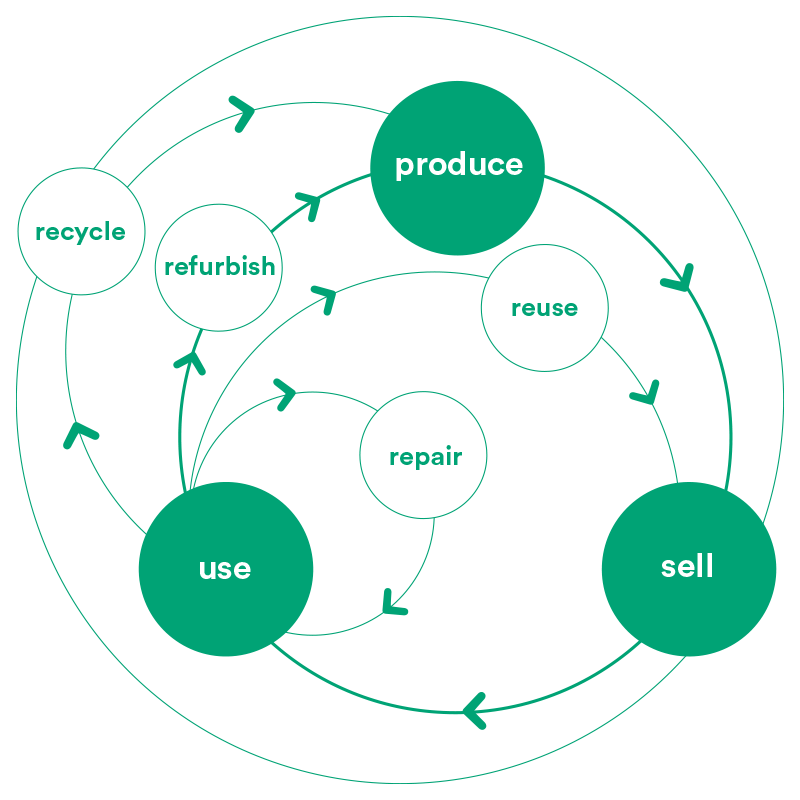
As the system diagram of circular economy illustrates below, a product has a long life before it even hits your hands. In the diagram, the straight line down the middle represents a linear economy. The process begins with the gathering of raw materials — most of them virgin. These raw materials are manufactured into products using tools, machinery, human labor and chemical or physical processing.
After the product is created, it’s transported to stores and ready for consumers to buy and use. The linear process ends when the consumer is done using the product. It’s put out on the curb for collection and transported to a local MRF for processing. From there, the used product ends up in a landfill, where it will sit, slowly breaking down for thousands of years. Each and every step of this linear process creates significant emissions and waste that are harmful to the environment.

In a circular economy, the process is similar to the straight line down the middle, except it continuously loops back on itself. As the arrows on the right side of the diagram indicate, the raw materials used are no longer virgin. Instead, the value of materials such as metals, plastics and synthetic chemicals are captured — and recaptured — through strategies of reuse, repair, disassembly and remanufacture.
When a consumer is done using a durable product, it no longer needs to sit in a landfill. The technical cycles of circular economy make products part of the process so they can be recovered and used to create new goods over and over again. Biodegradable consumable materials such as food, cotton and wood also feed into the system by returning vital nutrients back to the soil. Circular economy aims to reduce waste and emissions, and actively improve the environment.

Why is circular economy important?
Circular economy aims to throw away nothing, thereby reducing the need to use more commodities. It offers a stark alternative to our linear “take make-dispose” economy — an economy that runs on the assumption that there will always be virgin materials to turn into products, and always somewhere to put the waste.
As the world’s population continues to grow, it’s becoming increasingly clear the assumptions of linear economy aren’t true or at the very least, sustainable. The model that has dominated manufacturing since the First Industrial Revolution has come under strain.
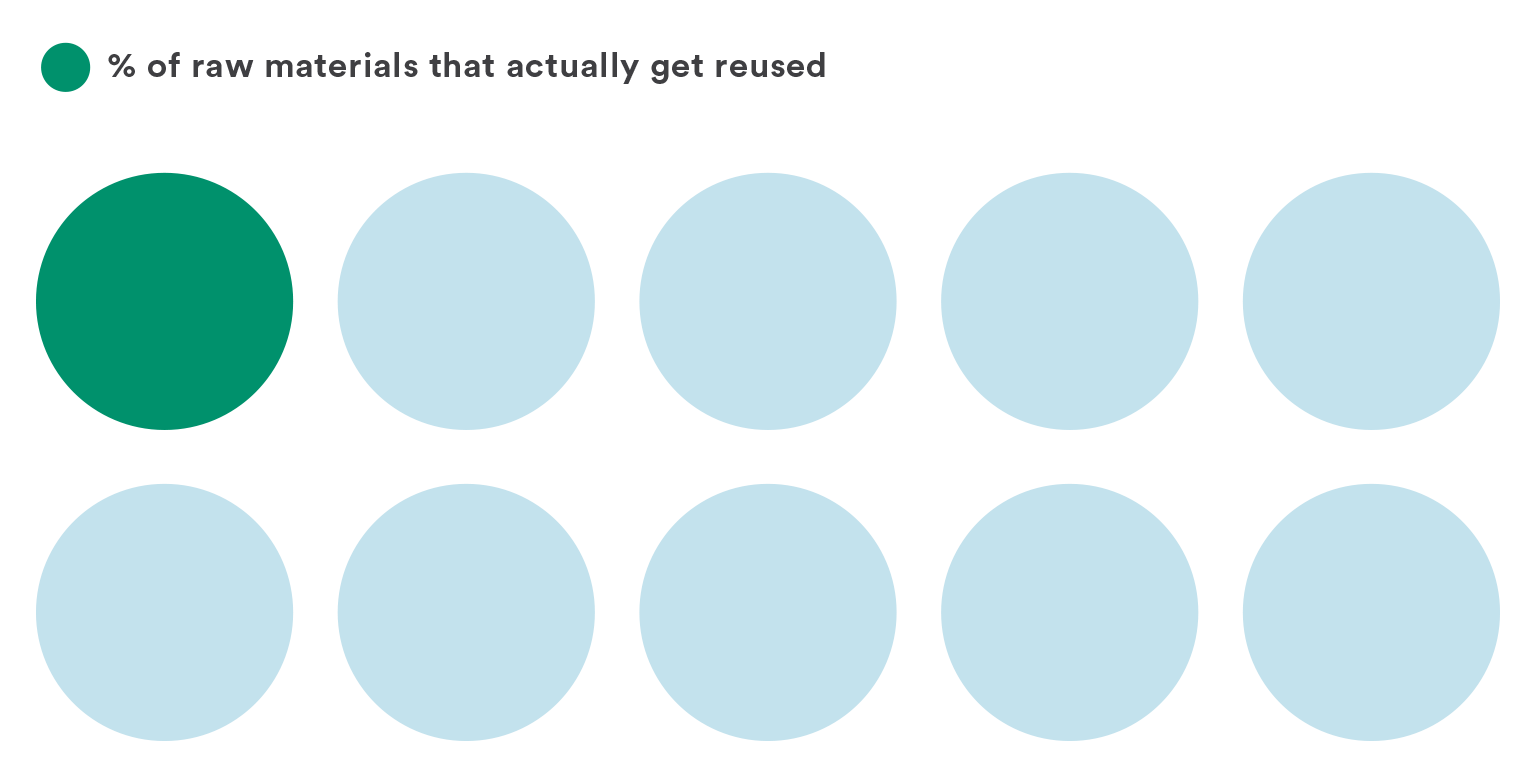
At that time less than 1 billion people inhabited the Earth. Today, the world’s population is up to 8 billion — with a growing global middle class of consumers. Not only are we using the same resources, we’re throwing them away at an alarming rate. According to a report from the United Nations, global resource extraction has more than tripled since 1970. Over 90% of raw materials are not reused.
A few more facts and figures:
- About one-third of the food produced for human consumption goes to rot or waste.
- Since the 1970s, humanity has been in ecological overshoot, with annual demand on resources exceeding Earth’s biocapacity. Today humanity uses the equivalent of 1.6 Earths to provide the resources we use and absorb our waste. (Global Footprint Network)
- Over the past 15 years, clothing production has doubled, but we wear our clothes for half as long.
- Since the economic downturn of 2007-2009, resource prices have rebounded more quickly than global economic output.
- More than 80% of the world’s population lives in a country running on an ecological deficit.
- Of the 100 billion tons of resources that flow into the economy every year, more than 60% end up as greenhouse gas emissions or waste.
Shifting from a linear to circular economy
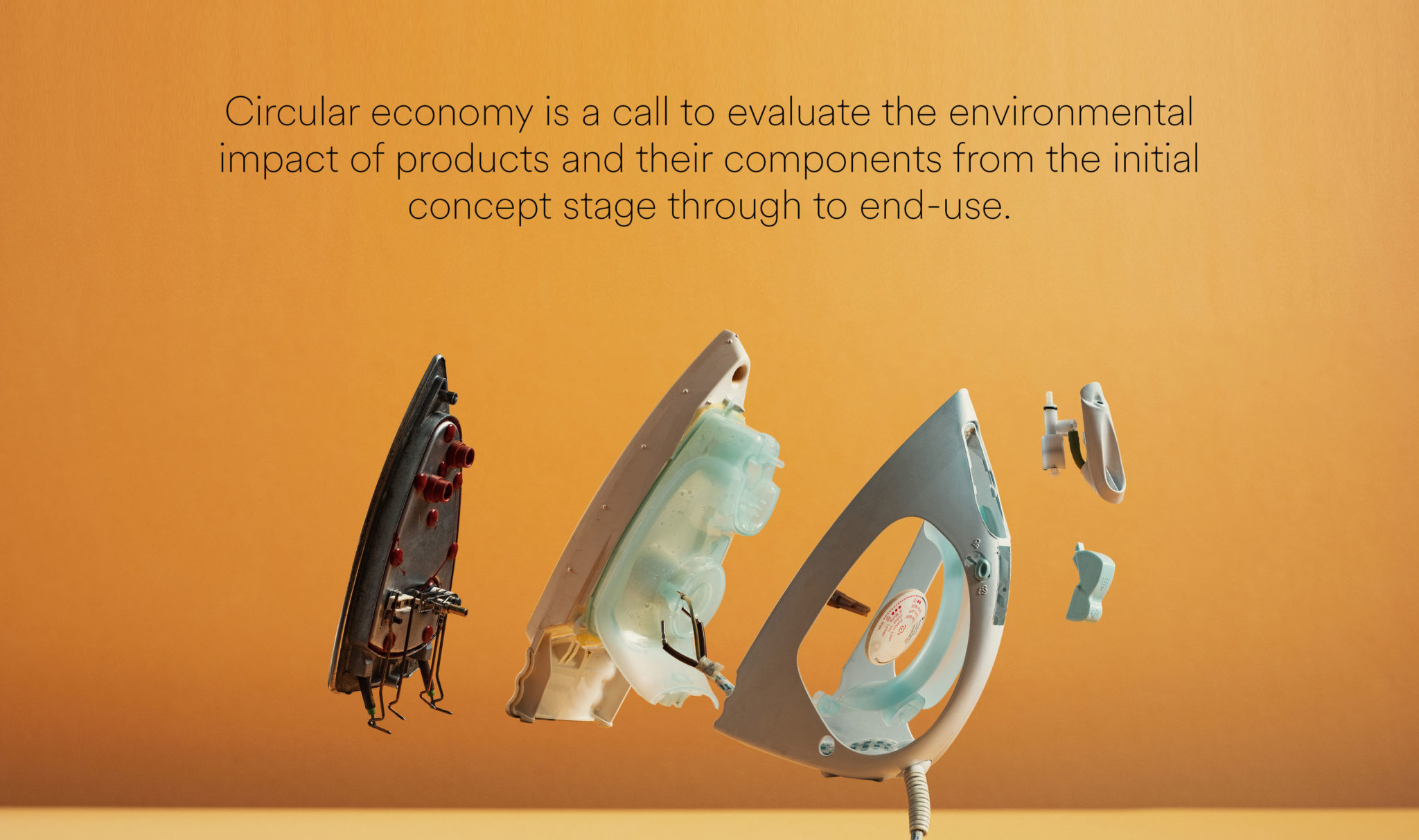
The shift to a circular economy goes beyond recycling and reusing materials (i.e., using wastepaper to make new paper). It’s a call to evaluate the environmental impact of products and their components from the initial concept stage through to end-use. In a circular economy, waste streams are eradicated with true, regenerative design.
Source: Government of the Netherlands
What does regeneration mean in a circular economy?
As the system diagram of circular economy illustrated, regeneration means products and services in a circular economy contribute to systems that renew or replenish themselves throughout various lifecycles and uses.
By applying the principles of regeneration, circular economy decouples growth and stability from the consumption of scarce natural resources. Instead, it focuses on maximizing the value of products and materials, particularly those that typically end up in our waterways and landfills.
Opportunities going to waste
It’s clear we no longer live in a world of cheap and abundant materials. Yet in the United States, 160 million tons of building-related construction and demolition waste is generated each year. Less than one-third of that rubble is reused or recycled, even though it contains valuable concentrations of steel, wood and concrete.
In the consumer-goods industry, about 80% of the $3.2 trillion worth of materials used each year is not recovered.
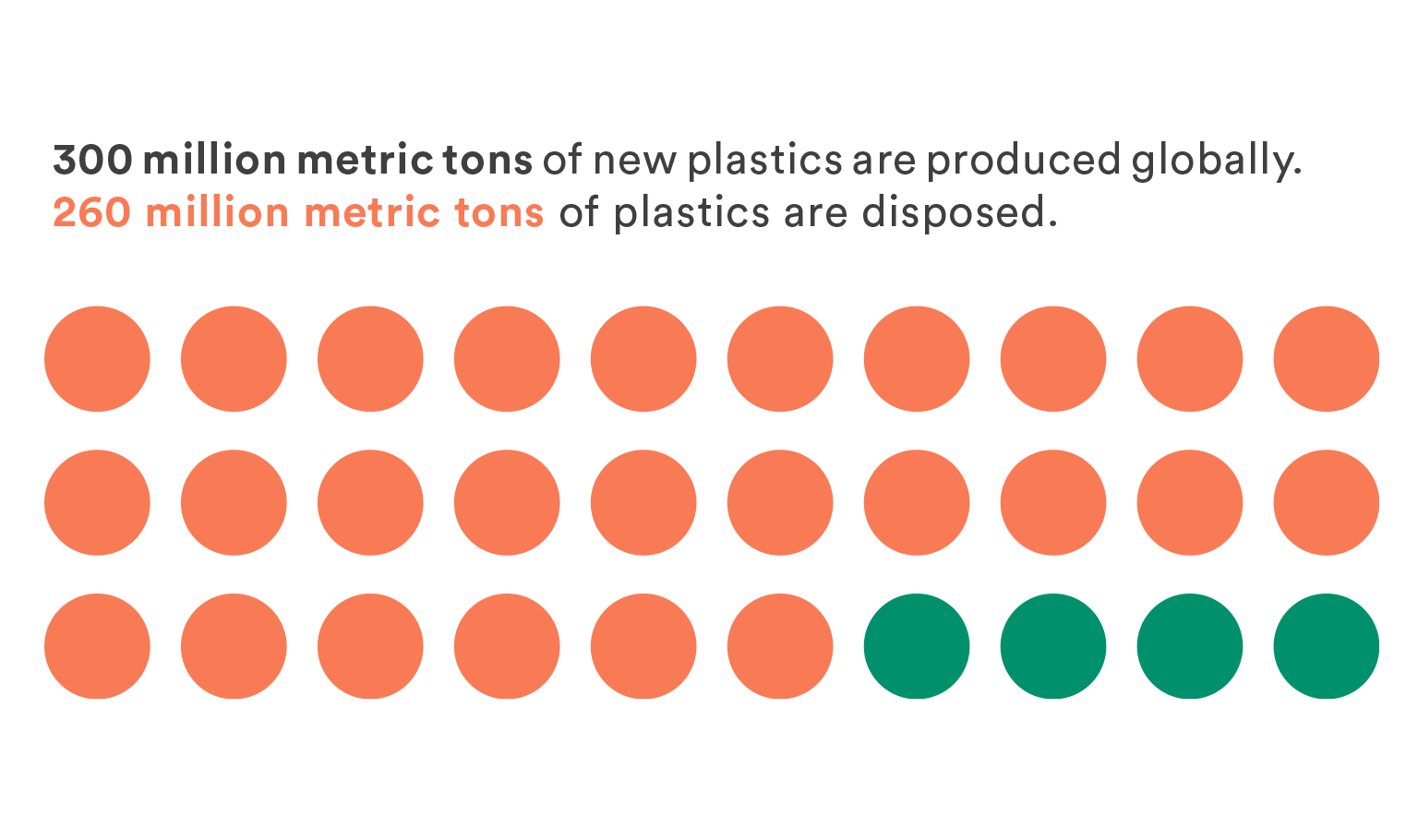
Of the 300 million metric tons of plastic produced globally each year, only 12% is reused or recycled.
A dramatic amount of potential value is also being lost with plastics. Of the 300 million metric tons of plastic produced globally each year, only 12% is reused or recycled. The majority ends up landfilled, incinerated, or washed up on our shorelines, where its value as a resource is lost forever.
Could a much larger quantity of used plastics be leveraged into making new materials? Companies like Eastman are already working with the New Plastics Economy Global Commitment and the U.S. Plastics Pact to realize a future where plastic never becomes waste. Research from McKinsey & Company suggests the circular economy could not only help solve our current plastics-waste crisis — it could create a new branch of business in the chemical industry with a potential worldwide profit pool of $55 billion a year by 2030.
Could a much larger quantity of used plastics be leveraged into making new materials?
Accenture explains how chemical companies are uniquely positioned to seize the golden opportunity of circular economy in “Chemical (Re)Action.”
Of the 300 million metric tons of plastic produced globally each year, only 12% is reused or recycled.
The circular economy in waste management emphasizes reducing waste generation and promoting the continuous use of resources. Instead of the linear approach that relies on waste disposal, the circular economy approach integrates waste reduction and sustainable practices into every stage of the product lifecycle. This includes the design, manufacturing, and end-of-life stages, ensuring materials like plastic waste, textiles, and organic waste are either reused, recycled, or repurposed.
A critical component of this approach is extended producer responsibility (EPR), which holds manufacturers accountable for the entire lifecycle of their products, including post-consumer waste. By encouraging the use of recyclable materials and focusing on material recovery, EPR policies aim to minimize waste and reduce carbon emissions.
In waste management systems, incorporating circular economy principles can transform municipal solid waste into valuable resources. For example, a case study in a city might show how regulatory frameworks can be implemented to support a circular economy, focusing on improving waste management practices and reducing waste disposal. By leveraging these strategies, cities can significantly decrease their environmental impact, aligning waste management with broader sustainability goals.
This approach also benefits the textiles industry, where innovative recycling techniques can turn discarded fabrics into new products, thus closing the loop on waste. Overall, adopting a circular economy approach in waste management not only supports environmental objectives but also drives economic growth by creating new markets and reducing the reliance on virgin resources.
What are the benefits of a circular economy?
Transitioning to a more circular economy — one that recognizes and respects the value of our finite resources — will help ensure we have enough food, water, shelter, heating, and other necessities for future development and prosperity. Numerous studies by the Ellen MacArthur Foundation, McKinsey & Company, and other industry experts detail how a circular model has the power to deliver a multitude of benefits for the economy and environment, as well as businesses and consumers.

Consumers
Increase disposable income Provide a new range of efficient, high-quality products and sustainable services Reduce ownership costs and hassles Improve health

Economy
Boost economic growth (as defined by GDP) Reduce cost of materials Create new jobs Inspire innovation

Businesses
Lower costs and generate new profit streams Stabilize volatility in material prices and supply Create demand for new services in collection, logistics, remarketing, refurbishment and remanufacturing Engage long-term customer interaction and loyalty

Environment
Halve carbon dioxide emissions and lower greenhouse gas emissions Reduce primary material consumption by 32% Enhance value of land and soil as assets
What are the barriers to circular economy?
Given the circular economy’s incredible potential to capture untapped value, why hasn’t it taken off faster? Circular development requires radical change, disruptive innovation and unprecedented cross-collaboration among policymakers, industry leaders, stakeholders, researchers, consumers and more. For all of these factors to align, significant obstacles must be overcome.
Recent surveys conducted by The Copernicus Institute of Sustainable Development, Utrecht University and Deloitte revealed four broad categories of interrelated barriers to the circular economy. Cultural barriers such as a company’s internal culture and willingness to collaborate in the value chain and consumer interest emerged as the main impediments toward transition.
Categories of Circular Economy Barriers
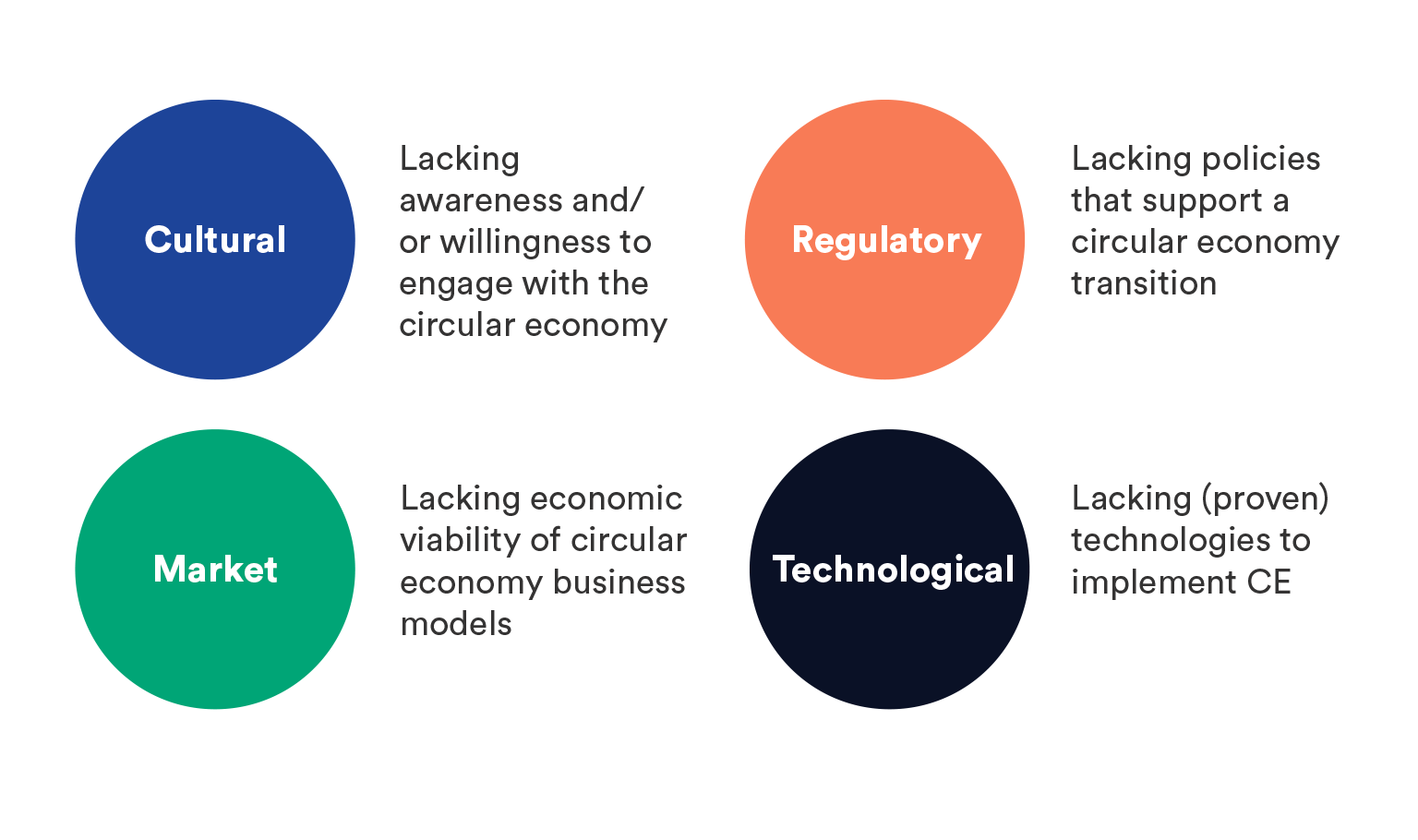
Source: Breaking the Barriers to the Circular Economy
Other barriers to circular economy span such issues as a lack of technical skills among the SME workforce, the current limitations of recycling (some materials can’t be recycled indefinitely), and the considerable transition costs associated with research and development, asset investments, and subsidy payments to promote new business models.
A Swedish study from 2017 that zeroed in on large, mature industrial companies further divided the barriers into these classifications:
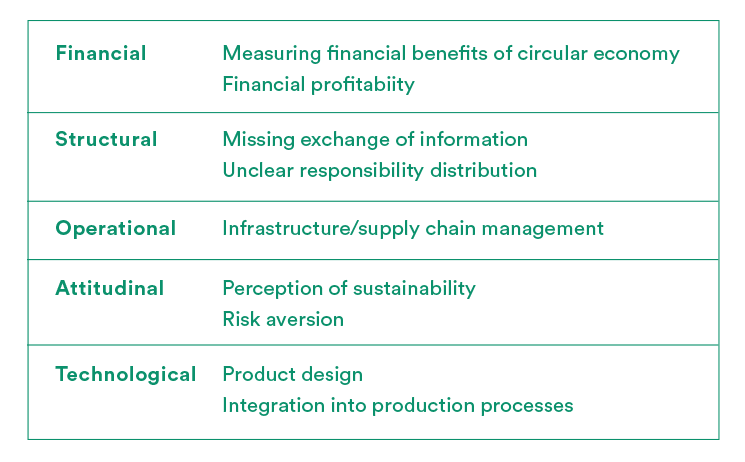
Source: Barriers to the Circular Economy – integration of perspectives and domains
Circular Impact
Some barriers to the circular economy may fade on their own with time, while others will require specific new frameworks and government intervention. Despite these complexities, the shift to circular economy is already in motion around the world.
European Union
The EU Commission is leading the way with ambitious goals, billions in committed funding, and a comprehensive Circular Economic Action Plan as part of The European Green Deal. The potential impacts of their circular economy policies include:
- Resource efficiency improved by 30% by 2030
- EU GDP increased by an additional 0.5% by 2030
- All plastic packaging on the EU market recyclable by 2030
- Landfill reduced to a maximum of 10% of municipal waste by 2035
- Climate neutrality (no net greenhouse gasses) achieved by 2050
As of March 2019, all 54 actions of the plan have been delivered or are being implemented.
United States
In the U.S., it’s the private sector driving progress toward a more circular economy. Industry and volume leaders such as Google, Amazon, HP, Coca-Cola, and Caterpillar have all unrolled plans to contribute to the circular economy. The growing list of Cradle to Cradle certified products reveals numerous examples of “circular ecosystems” already at work within businesses of all sizes as well.
As more companies unlock the value of circular economy, the faster others are pursuing chase. According to the U.S. Chamber of Commerce Foundation, a shift toward the circular economy could accomplish the following by 2025:
- Generate an estimated $1 trillion annually in economic value
- Create more than 100,000 new jobs
- Prevent 100 million tons of waste
- Restore natural capital and ecosystem services
"In 2050, we live well, within the planet’s ecological limits. Our prosperity and healthy environment stem from an innovative, circular economy where nothing is wasted and where natural resources are managed sustainably."
- EU Environment Action Programme
Industry is just beginning to leverage the environmental, economic, and social opportunities the circular economy provides — and doing it profitably. A Torrey Project analysis of Ethisphere’s most ethical companies reveals that businesses invested in positive social impact have higher returns by reaping profit opportunities their competitors miss. While widespread adoption of circular economy will not happen overnight, some industries are making significant headway by adopting circular initiatives and activities. Here are just a few examples:
Automotive
Opportunities abound in the automotive industry where a profound shift is happening at all levels, from initial design and remanufacturing to alternative ownership models and car-sharing. While leasing is not a new concept for the auto industry, it’s being adopted more broadly. For example, French manufacturer and circular pioneer Renault leases batteries for electric cars so they can be taken back and reengineered. Tire-maker Michelin collects used tires from their fleets to regroove them for resale. These retreaded tires require half the raw materials of new tires and deliver 90% performance.
Consumer Goods
The convenience of plastic has come with an enormous cost to the planet. However, consumer goods manufacturers including Albatross Designs are creating waste-free alternatives for the traditional plastic products we use every day. Albatross offers stainless steel razors that provide years of use, along with a Blade Take Back Program that upcycles used blades into new products such as reusable silverware sets. Another closed-loop household product comes from Veles. By treating waste as a resource, the company has created an all-purpose cleaner made from common organic chemical compounds scientifically derived from food waste.
Fashion
While fast fashion has fueled high rates of overconsumption, sustainable brands like For Days are also closing the loop on waste. Their 100% recyclable clothing and SWAP program lets customers return worn items and earn credits toward a new purchase. Every item swapped is used to make future products. In 2020, 40,000 shoppers joined For Days, diverting 55,000 pounds of waste from landfill. Circular design initiatives are also working for more traditional designers such as Eileen Fisher. In less than five years, their Renew take-back program remanufactured over 900,000 garments for resale at lower price points, which opened the brand to a younger audience.
Food
In the food industry, digital technology is helping to reduce food waste by redirecting surplus. Sharing platforms such as OLIO let neighbors notify other households in their area when they have extra food or ingredients. OLIO also provides surplus food pickup for restaurants, caterers, hotels and other businesses so it can be safely redistributed in the community. By creating this circular supply chain, over 6.5 million portions of food have been shared worldwide. In addition to reducing the amount of waste sent to landfills, this innovation optimizes the use of agricultural resources and improves societal health and well-being.
Furniture
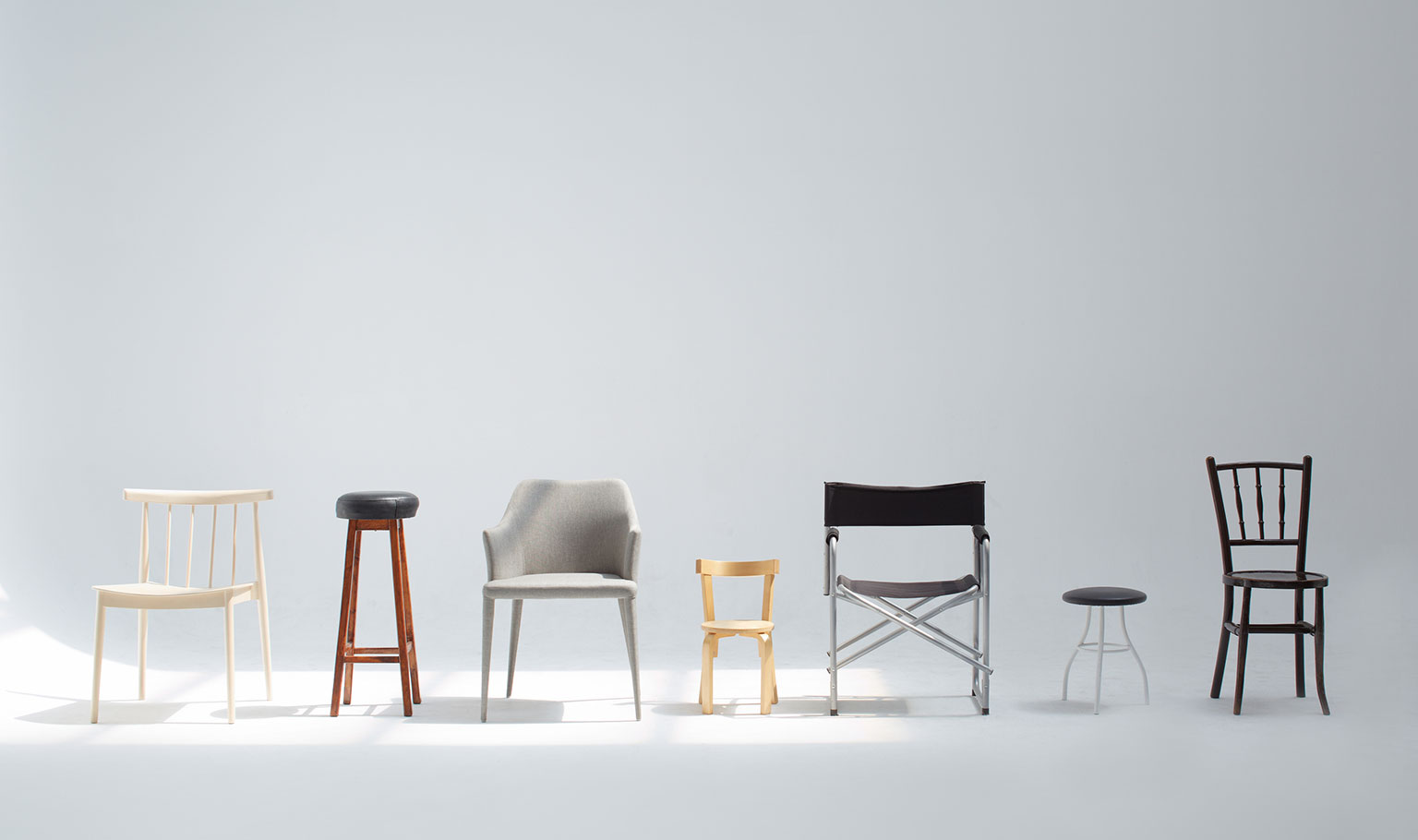
In the furniture industry where most offerings are durable, companies are focused on extending the lifetime of materials. IKEA, for example, is on its way to producing 100% circular products through advocacy, collaboration and business partnerships. In 2019, the world’s largest furniture retailer gave 47 million products a second life. Furniture made from natural materials such as solid acacia wood and pine can be recycled or used for energy recovery, while veneer products are easily disassembled for repair and refurbishment.
Finance
The financial sector’s role in advancing circular economy is undeniable and gaining momentum at a systemic level. The World Bank, stressing urgent action, has committed over $4.7 billion to solid waste management programs across the globe. The U.K.’s Green Finance Institute also reports much larger inflows going to environmental, social and governance aligned funds. Between the period of January and October 2020, the Investment Association (IA) saw $10.72 billion placed into “responsible investment funds.” This accounted for 47.5% of all net money placed into funds and was four times higher compared to the same period in 2019.
How do you implement circular economy?
The shift to a circular business model is a radical, restorative, and regenerative approach to business that requires a fundamentally different way of thinking. Many new models, materials and products will come from entrepreneurs, but existing organizations also play a critical role by rethinking current strategies. Not-for-profit impact organization Circle Economy has developed The Key Elements Framework, which includes “enabling elements” and “put into practice” examples to help all intervention levels (national, regional, sector, business, product, process or material) create the conditions and remove the barriers of a circular transition.
 Design for the Future
Account for the systems perspective during the design process, to use the right materials, to design for appropriate lifetime and to design for extended future use.

Rethink the Business Model
Consider opportunities to create greater value and align incentives that build on the interaction between products and services.

Incorporate Digital Technology
Use digital, online platforms and technologies that provide insights to track and optimise resource use, strengthen connections between supply chain actors, and enable the implementation of circular models.

Team Up to Create Joint Value
Work together throughout the supply chain, internally within organizations and with the public sector and communities to increase transparency and create joint value.

Strengthen and Advance Knowledge
Develop research, structure knowledge, encourage innovation networks and disseminate findings with integrity.
What is a circular business model?
Circular business models articulate the logic of how organizations can create, offer and deliver value while minimizing ecological and social costs. It’s all about doing more and better with less, to bring significant benefits to all.

Source: EcoDesign Circle: Circular Business Models
Circular businesses no longer focus mainly on profit maximization or pursue cost-cutting through greater efficiency in supply chains, factories, and operations as the primary corporate objective. Rather, they concentrate on redesigning and restructuring Product-Service-Systems from the bottom up to ensure future viability of business activities and market competitiveness.
SVID: Sustainability Guide
For companies that want to create more sustainable offerings but feel unprepared or unsure about how to begin, corporate social responsibility (CSR) expert Dr. Daan Elffers offers four initial steps companies can take to become a “first mover” and leader in your field:
Phase 1: Set Goals and Create an Action Plan
Create a working definition of circular economy that aligns with your company’s core values and decide what you want to achieve.
Phase 2: Education and Activate Your Organization
Provide training on the principles of circular economy to inspire employees to contribute to your new goals.
Phase 3: Innovate and Optimize
Evaluate materials and processes for improvements and upcycling.
Phase 4: Engage
Be transparent about ambitions with partners, suppliers and customers.
What are the future prospects of a circular economy
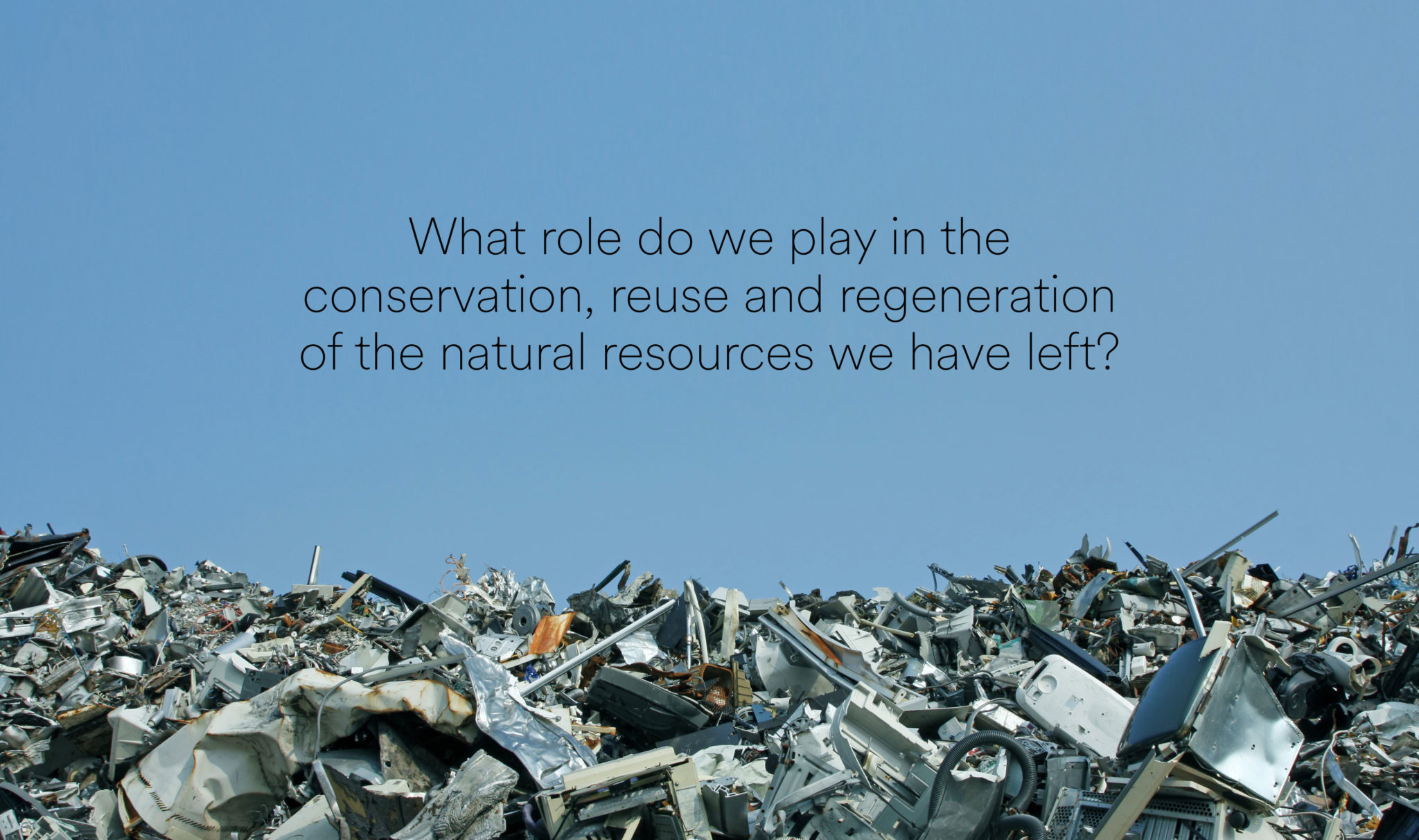
Circular economy is a bold vision with significant challenges. Detractors may argue it’s not realistic, yet we’re now face-to-face with a decisive moment in history. The prospects of future transition beg some very important questions of us all: Do we need to continue owning products in the traditional sense, or just have access to them? And what role do we play in the conservation, reuse and regeneration of the natural resources we have left?
Circular economy and Industry 4.0
In the context that action is needed urgently, the shift toward a circular economy may appear to be progressing slowly. However, the movement has already been growing organically through emerging circular cities (Amsterdam, Bilbao, Berlin and Malmö) and promising broader innovations. The offerings of Netflix, Divvy, Ricoh’s GreenLine copiers and Bosch’s BlueMovement are just a few examples. We’re also seeing unprecedented technological advancements across the entire industrial sector. As we confront some of the most serious societal and environmental issues of our time, we’re also on the verge of Industry 4.0. This “fourth industrial revolution” has the power to accelerate circular economy with modern manufacturing and waste technologies such as:
By starting small, the transition to circular economy has tremendous potential to scale up. And while it’s true the linear economy of the past served to generate jobs, improve living standards and reduce mortality rates throughout the world, it also created climate change, biodiversity loss and mountains of waste. If there’s a more hopeful lesson to be learned from the dire consequences of the First Industrial Revolution it’s this: Resources are finite, but human ingenuity is not.
The Ellen MacArthur Foundation offers numerous resources to help organizations implement and accelerate the transition to circular economy, including The Circular Design Guide and What Can I Do With My Business? Learning Path.
What role do we play in the conservation, reuse, and regeneration of the natural resources we have left?
Download our full Circular Economy guide.
"*" indicates required fields