


 La sostenibilidad se incorpora a todos los aspectos de nuestro negocio, desde los servicios ofrecidos hasta los proveedores con los que nos asociamos para causar el menor impacto posible en el medio ambiente. Nuestro trabajo está en consonancia con los Objetivos de Desarrollo Sostenible de la ONU, que son un plan para lograr un futuro mejor y más sostenible para todos.
Una distinción importante entre la gestión de residuos cero y la convencional es la prevención de prácticas derrochadoras al principio de la cadena. Según la EPA, en Estados Unidos sólo se recicla el 30% de los residuos y cada año se envían a los vertederos unos 140 millones de toneladas. En cuanto a los plásticos de un solo uso, sólo se recicla en torno al 9%.  Los vertederos no deberían seguir siendo el destino final de la mayor parte de nuestros residuos, ya que dañan el planeta y a sus habitantes, amenazándonos tanto desde arriba como desde abajo. A medida que los materiales de los vertederos se descomponen, liberan gases nocivos a la atmósfera, como dióxido de carbono, metano y sulfuro de hidrógeno, lo que acelera el calentamiento global y contamina el aire que respiramos. Además, los lixiviados de los vertederos transportan sustancias químicas peligrosas a nuestras aguas subterráneas, contaminando nuestras tierras de cultivo y el agua potable. Nos apasiona ofrecer transparencia sobre el destino final de un material que, de otro modo, sería desechado o considerado residuo. Queremos que las empresas y los consumidores comprendan el impacto posterior y dotarlos de los conocimientos necesarios para tomar decisiones más informadas y centradas en el medio ambiente.
  Con este conocimiento, nos comprometemos a impulsar soluciones de «cero residuos» a mayor escala y a hacer que el procesamiento circular sea más accesible. Actualmente nos centramos en combatir el desperdicio de alimentos —el principal responsable de los vertederos— mediante un revolucionario proceso de bioconversión de los compuestos de la materia orgánica, incluida el agua, para crear productos y materias primas no tóxicos y sostenibles. Con el objetivo de hacer más accesible el procesamiento circular, también hemos lanzado zerowaste.com – donde tanto particulares como empresas pueden aprender a redefinir sus objetivos en materia de residuos mediante guías educativas, contenidos interactivos y productos y servicios «cero residuos».
Reducir la huella de carbono
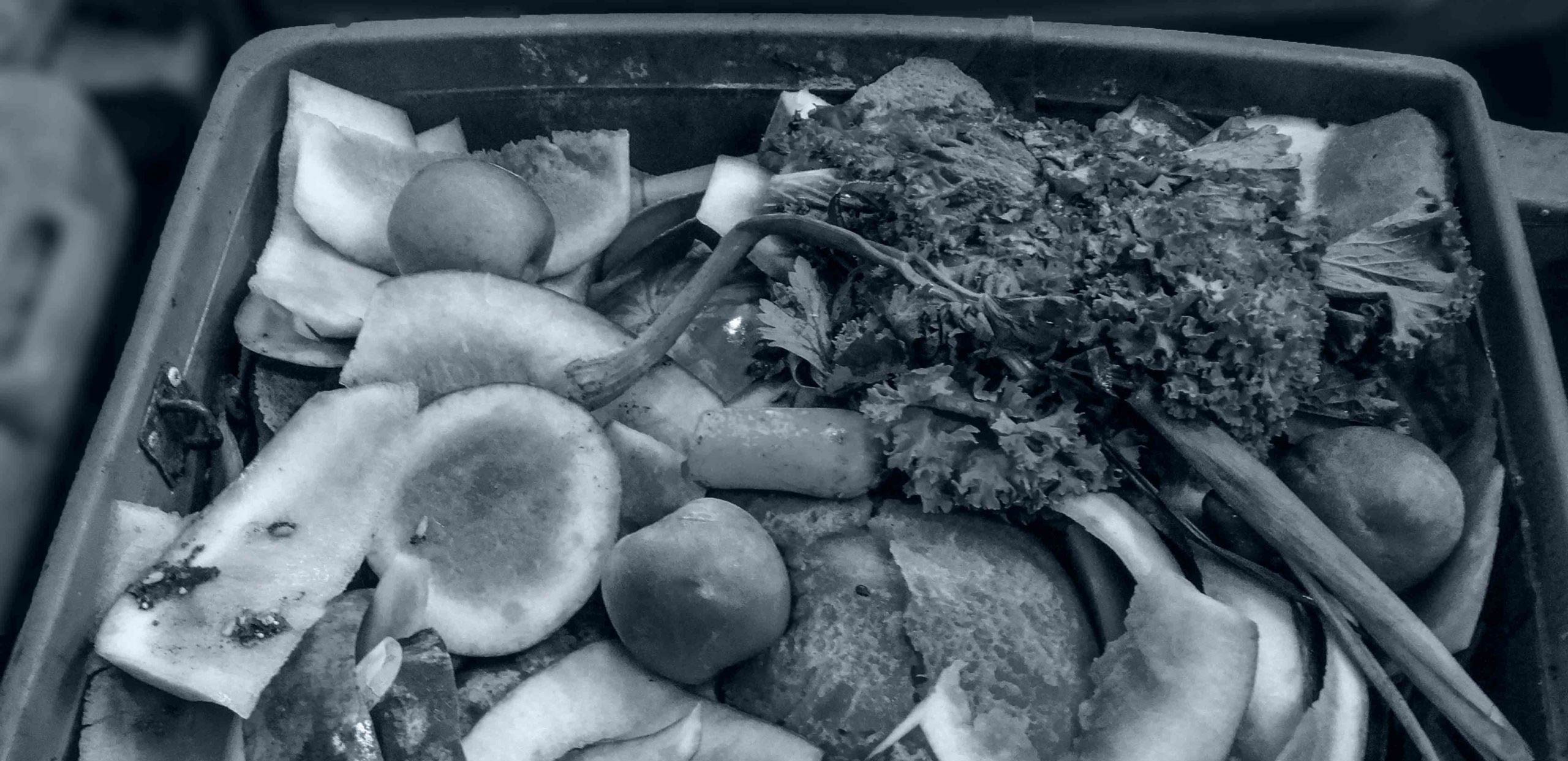
Uno de nuestros objetivos es minimizar el impacto y las emisiones de gases de efecto invernadero (GEI) manteniendo el material lo más local posible y trabajando con nuestros clientes para separar ese material adecuadamente de modo que sea posible su procesamiento local. Los residuos alimentarios son responsables del 7% de las emisiones mundiales de gases de efecto invernadero, por eso es tan importante que las empresas municipales y comerciales separen y reciclen sus residuos orgánicos.

Medir el impacto
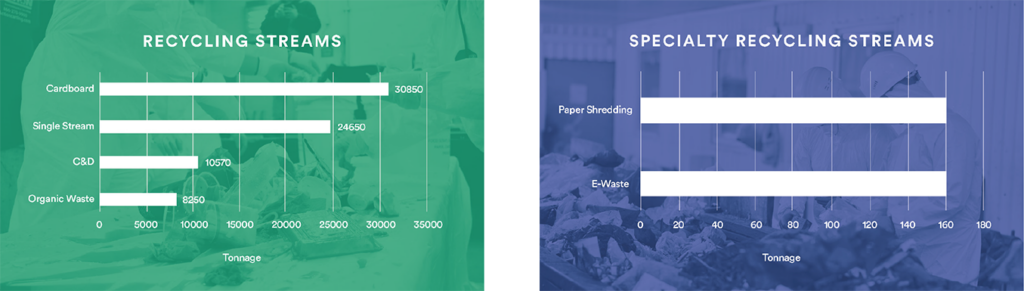
Para nuestros clientes, combinamos sus iniciativas de desviación de residuos con informes basados en datos y formación en sostenibilidad, de modo que puedan conocer su producción de materiales y aprender a introducir cambios inmediatos para mejorarla. Esta medición resulta fundamental para comprender cómo establecer objetivos y crear planes viables para alcanzarlos. Nuestro impacto colectivo en materia de sostenibilidad también se supervisa por flujos de materiales para proporcionar una referencia que permita la mejora continua. En 2019 logramos desviar un total de 74,5 toneladas de material de los vertederos y la incineración (valorización energética), lo que nos ayuda a establecer nuestros puntos de referencia anuales año tras año. Además, tenemos en cuenta el impacto medioambiental de todas las operaciones empresariales, las formas de mitigar los retos y cómo proporcionar recursos a nuestros socios y proveedores para que puedan asumir compromisos similares.

MATERIALES DESVIADOS DEL VERTEDERO + INCINERACIÓN
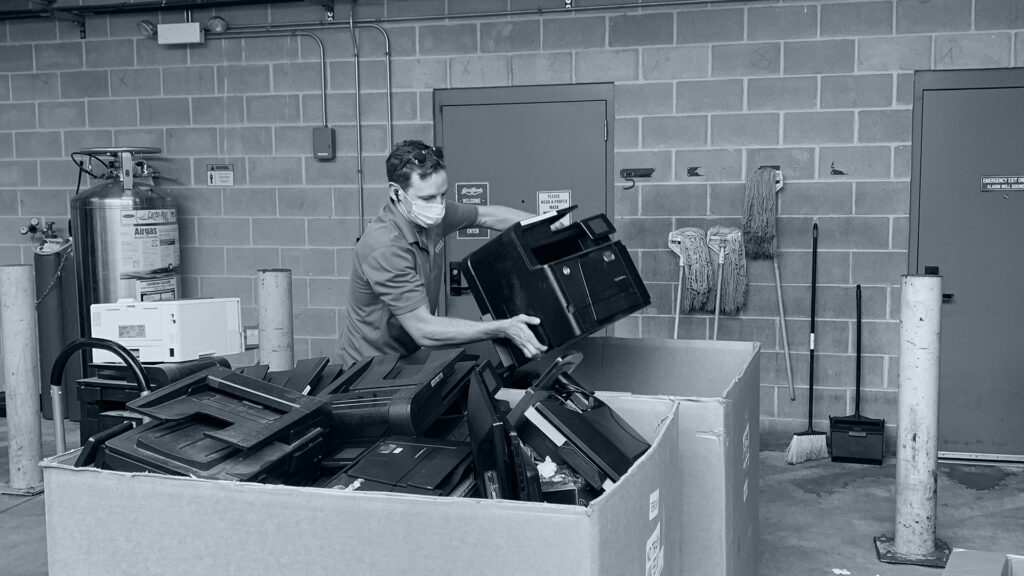
Gracias a la colaboración de nuestros proveedores de reciclaje, conseguimos evitar que toneladas de material valioso acaben en un vertedero o en una incineradora (valorización energética). Aunque algunas entidades considerarían que los residuos enviados a una incineradora se han desviado del ciclo de reciclaje, nosotros no compartimos ese punto de vista. Cualquier residuo que enviemos a una planta de conversión de residuos en energía se considera basura. Los residuos reciclados pueden abarcar desde cartón hasta residuos alimentarios y residuos electrónicos. Para nosotros y para nuestros clientes es importante mantener estos materiales en el ciclo de vida, de modo que puedan utilizarse para crear nuevos materiales y minimizar la dependencia de la extracción de materias primas vírgenes.
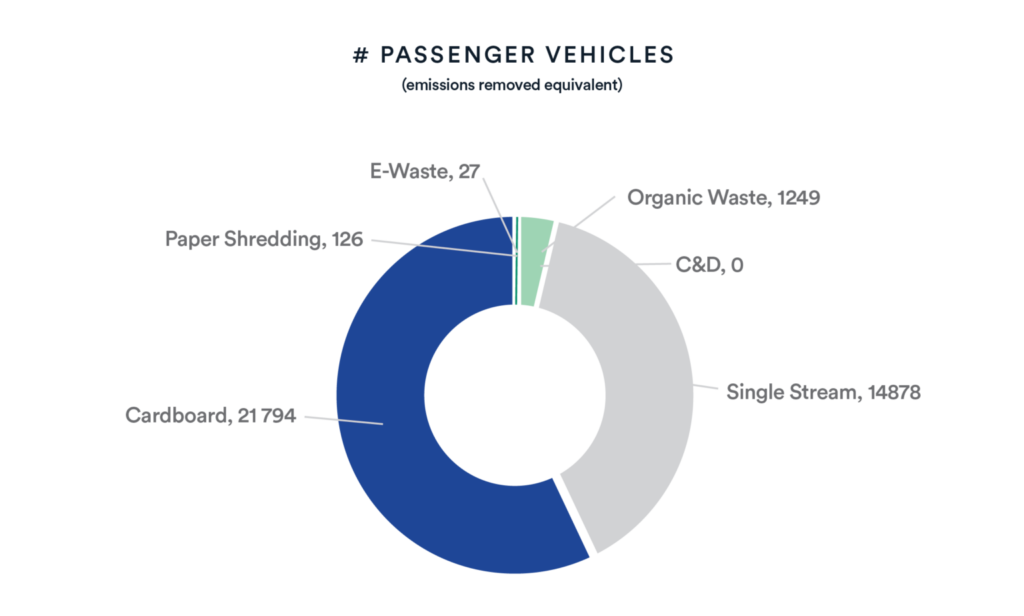
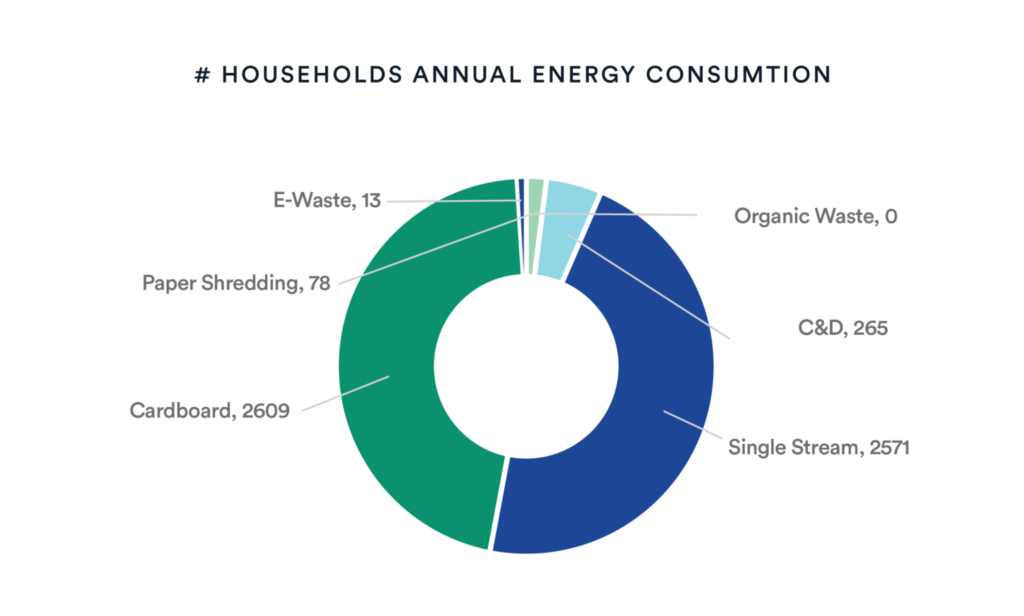
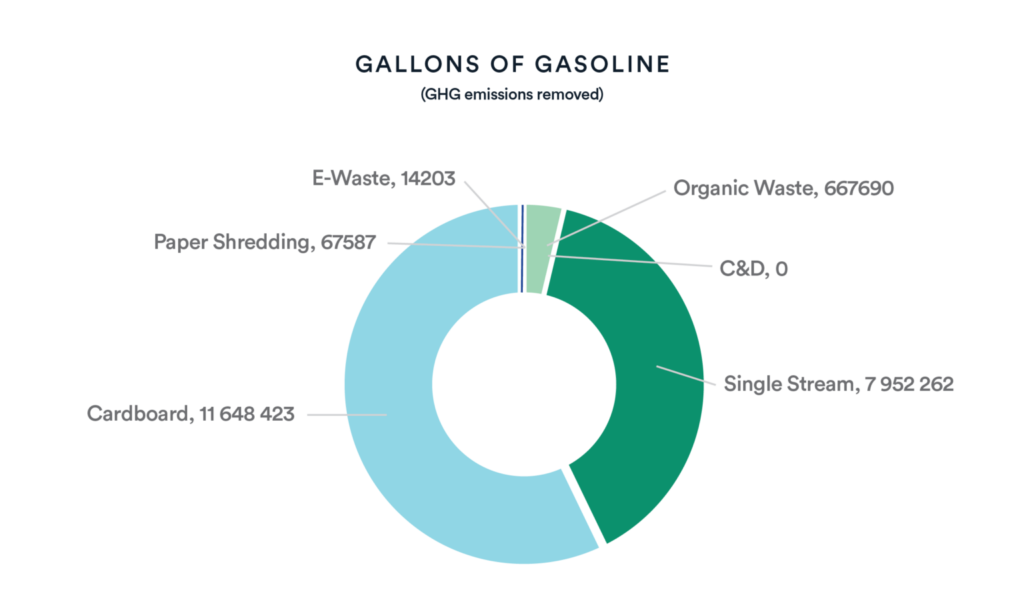
MÉTRICAS DE CONVERSIÓN DE LA REDUCCIÓN DE RESIDUOS DE LA EPA
Cuando los materiales de desecho se separan adecuadamente, se procesan mediante métodos como el reciclado, el compostaje y la digestión anaeróbica, lo que supone un importante ahorro de energía y una reducción de las emisiones de gases de efecto invernadero.



Social
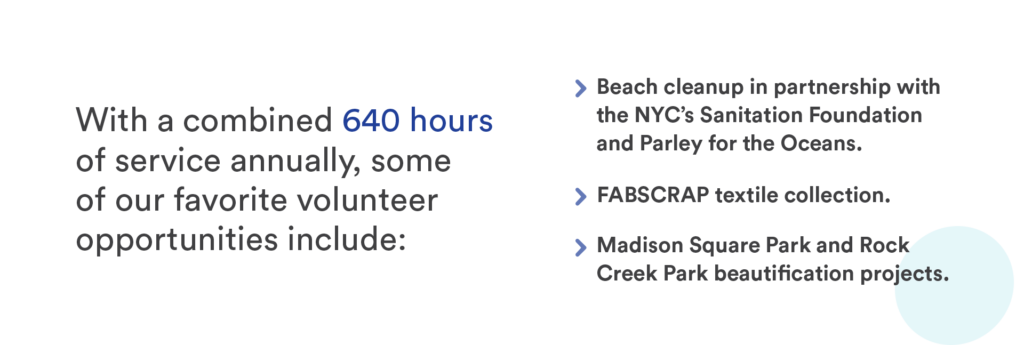
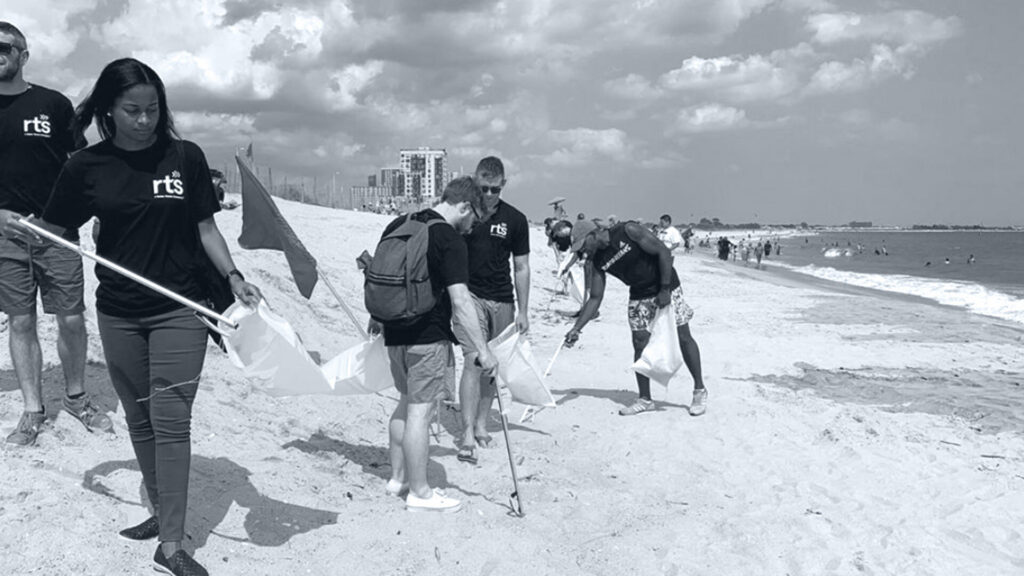
Compromiso con la diversidad, la inclusión y la interacción con las comunidades locales.
Derechos laborales y de la cadena de suministro
Aunque los objetivos fundacionales de RTS son medioambientales, como empresa impulsada por su misión consideramos que nuestras responsabilidades empresariales y sociales van mucho más allá de este ámbito. RTS se enorgullece de respaldar plenamente los innovadores Principios Rectores sobre las Empresas y los Derechos Humanos de las Naciones Unidas y su marco "Proteger, Respetar, Remediar" para los derechos de los trabajadores en las cadenas de suministro.
Como señalan los Principios Rectores, es responsabilidad de RTS tomar todas las medidas razonables para respetar y proteger activamente los derechos humanos y laborales de sus empleados y, si procede, investigar de forma imparcial las denuncias de abusos y ponerles remedio si resultan creíbles.
Vivimos en un mundo de cadenas de suministro corporativas cada vez más globalizadas y complejas. Los sectores de los residuos, el reciclaje, la tecnología y la sostenibilidad no son inmunes a estas tendencias. Al seleccionar a nuestros socios, RTS da prioridad a aquellas empresas cuyos valores y compromiso con la responsabilidad social y medioambiental coinciden con los nuestros.
Diversidad
El equipo de gestión del capital humano de RTS tiene la tarea de evaluar nuestros valores fundamentales y ofrecer una visión más holística de la experiencia de los empleados en la organización. Una parte fundamental de nuestro proyecto de valores se centra en la diversidad, la equidad y la inclusión. Entendemos el valor de la diversidad de género, raza y otros factores inmutables, así como la diversidad de experiencias y la incorporación a la organización de empleados de diferentes sectores. No vemos la diversidad como un ejercicio de "marcar casillas", sino como una ventaja empresarial. Creemos que seguiremos superando a nuestros competidores precisamente gracias a nuestra diversidad, por lo que estamos comprometidos con este valor no sólo como principio ético, sino como imperativo empresarial.
Actualmente nos asociamos con organizaciones de dotación de personal cuya misión principal se centra en colocar a diversos candidatos en puestos de organizaciones emergentes en expansión, como RTS. En la actualidad, estas empresas nos ayudan con las necesidades de contratación en todos los niveles, incluidos todos los puestos de liderazgo ejecutivo abiertos. Por otra parte, recientemente hemos puesto en marcha una instantánea trimestral de la diversidad, que incluye nuestro género, etnia, contratación de veteranos y destacando otras formas de diversidad y representación de los empleados. Estas métricas son revisadas por nuestro consejo de administración.