
Top

The Basics

  • The City is developing a system of 20 geographic zones to contain carter collection operations.
  • Competitive procurement process will select up to three carters to service customers in each zone.
  • In addition to zones, there are up to five city-wide containerized waste awards.

How It Works

  • The City enters into contract with each awardee.
  • Customers have choice of awardees in zone and enter into contracts with the one that they choose.
  • Maximum rates and minimum service requirements will be established in contracts between awardees and the City.
  • Specific terms of service and price negotiated between awardee and customer.

Covered by CWZ

  • Putrescible waste
  • Source separated recyclables
  • Source separated organics

Not Covered by CWZ

  • Construction and demolition debris
  • Fill material
  • Medical waste
  • Grease
  • Paper collected for shredding or destruction
  • Hazardous waste
  • Electronic waste
  • Textiles
  • Yard waste collected by landscapers
  • Waste collected by one-time, on-call bulk waste removal services
  • Waste collected by a microhauler

Awards

  • There are two kinds of awards: Zone + Citywide Containerized Waste.
  • 65 awards available total.
  • Each award is for ten years of service with opportunity for two renewal periods of up to 5 years each in length.
  • No more than five citywide containerized waste awards.
  • Carters can win no more than 15 zone awards and one citywide containerized waste award.
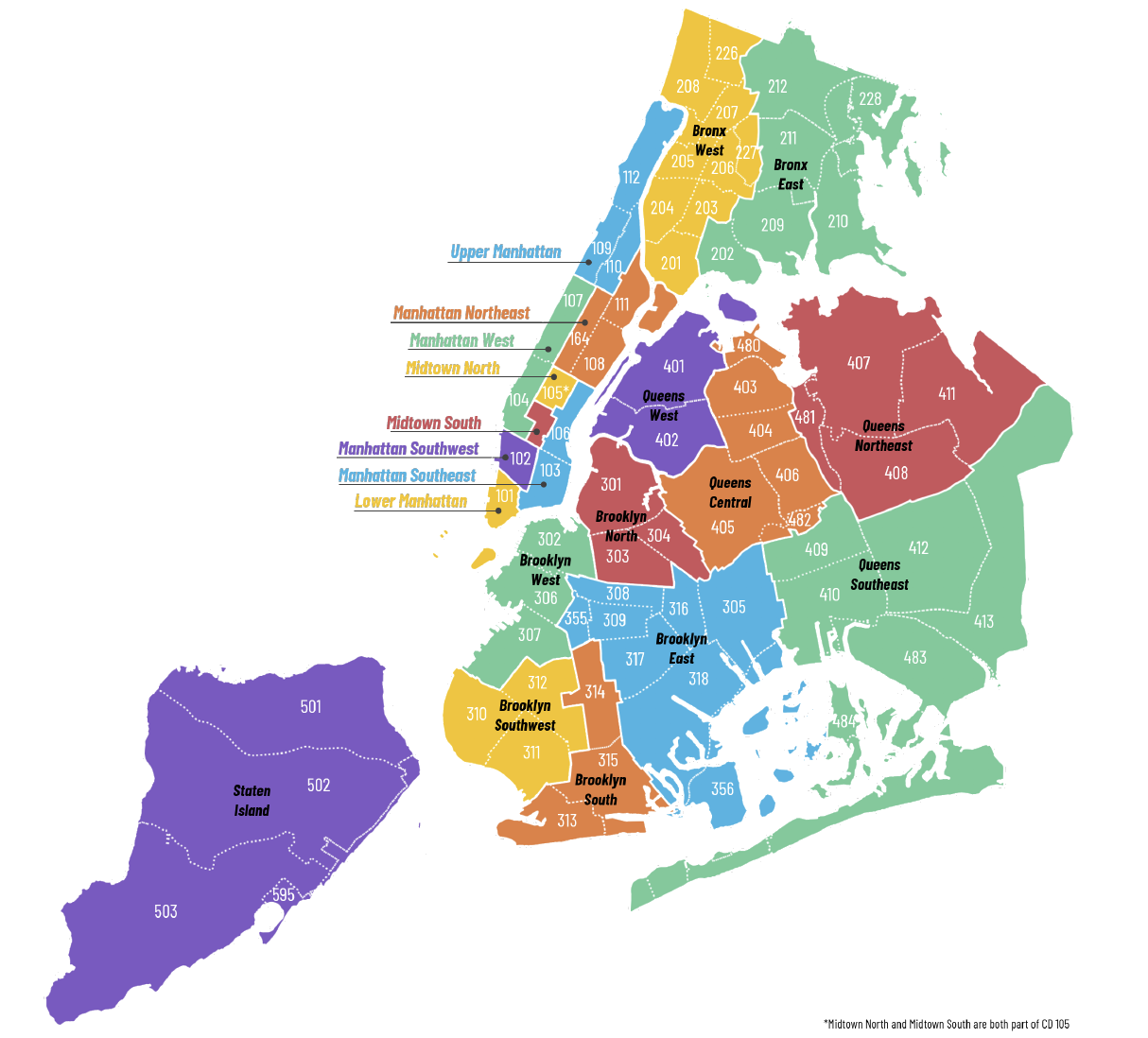
Zone Map

  • These zone boundaries were described in a proposed rule.
  • Public hearing on the rule was held on January 13.
  • Comment period is now closed, but final rule has not yet been published.

Partnerships

Local Law 199 allows for subcontracting and joint venture arrangements among carters. Contract awardees may subcontract with no more than two designated carters in each zone.
 

Subcontractors must:
  • Be approved by the Department
  • Fully comply with all terms of the contract
  • Be licensed by BIC (or otherwise authorized in accordance with title 16-A)
  • Microhaulers using bicycles or zero emission vehicles to collect organic waste will not count towards this limit.
  • Subcontractors for services other than waste hauling will not count towards the limit.

Timeline

Rulemaking


Prior to issuing final rules, DSNY will:
  • Ask for written comments on the proposed rules.
  • Hold a public hearing at which members of the public can testify.
  • Prior to RFP being issued, DSNY will be issuing rules.
  • These will set out many of the essential CWZ program requirements.
  • We welcome your suggestions on how to make these rules stronger.
  • Stay tuned for announcements on when the next draft rules will be published for public comment.