When one of the busiest convention centers in North America reimagines waste, the results set a new industry standard. Together with RTS, the Javits Center turned complex waste streams into measurable wins for people, planet, and business.

Services | Sustainability
Sustainable Waste Management Solutions, Backed by Data
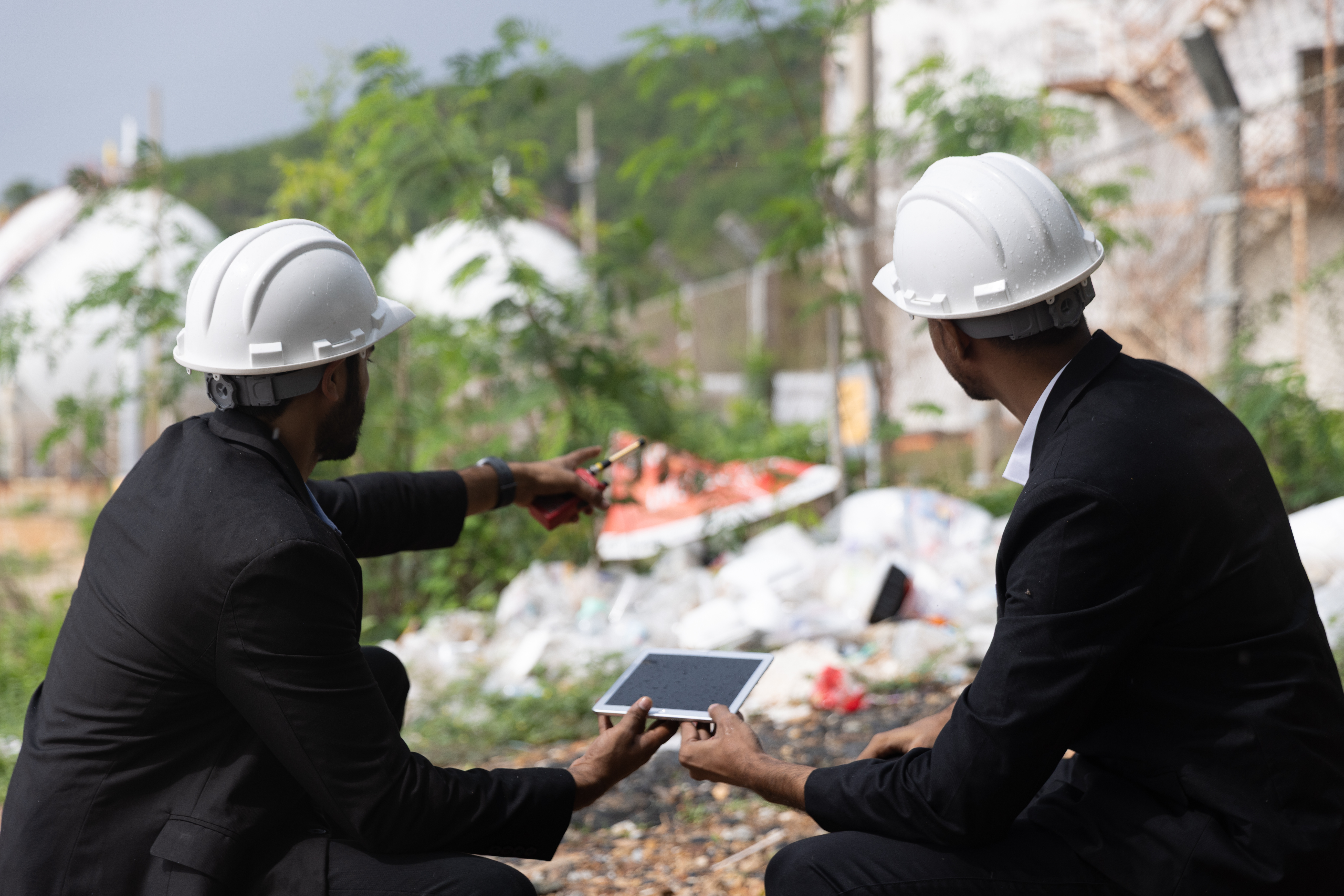
RTS delivers sustainable waste management solutions that turn your waste streams into measurable environmental wins. We help businesses divert more from landfill through recycling, organics recovery, and waste-to-energy programs — and back every program with the data to prove its impact. The result is a waste operation that advances your sustainability goals and stands up to ESG scrutiny.
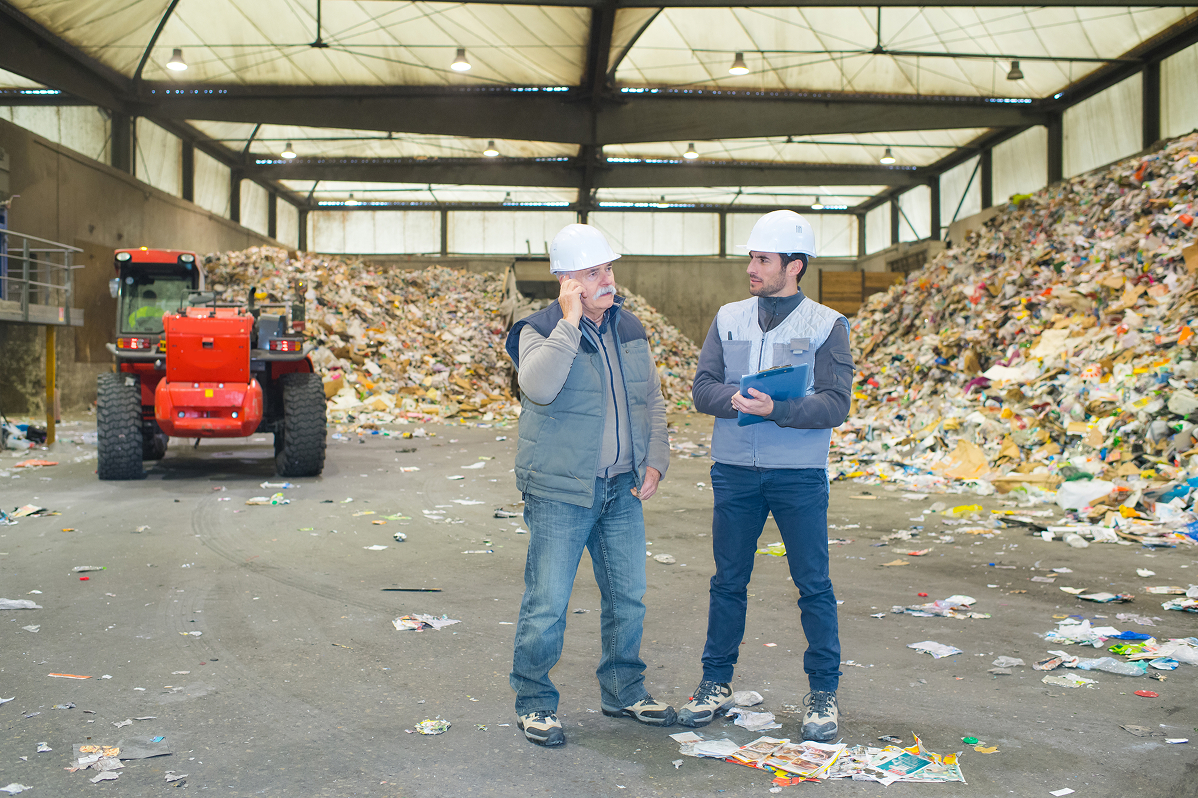
What Sustainable Waste Management Means for Your Business
Sustainable waste management is the practice of reducing, reusing, and recovering value from waste so that as little as possible reaches landfill. For commercial operations, that means separating recyclables and organics at the source, routing materials to their highest-value recovery path, and measuring the outcome. Up to 75% of the waste a typical business produces can be avoided, repurposed, or recycled — sustainable waste management is how you capture that share.
How We Measure Diversion & ESG Impact
What sets RTS apart is the data layer. Our technology — including Pello smart-bin sensors and the RTS Portal — captures waste and diversion data across your sites, so you can see exactly what is being recovered and report it with confidence. Every diversion claim is backed by numbers, giving sustainability and finance teams the evidence they need for ESG disclosure and internal benchmarking.
How RTS can help
Optimize your business’s waste management and reduce your environmental impact with RTS’s tailored solutions. Our expertise ensures efficient, responsible waste disposal that aligns with your operational needs and sustainability goals.
- Waste stream audit
- Sustainability performance benchmarks
- Staff training and sustainability education
- Compliance with evolving regulations
- Customized sustainability program
- 24/7 customer service

Transforming Waste into a Model for Sustainability

From Brewery Byproduct to Renewable Power
Through dedicated containers, contamination controls, and specialized collection routes, RTS ensured spent grain from Citi Field’s brewery was diverted from landfill and recycled through anaerobic digestion to generate renewable energy.
Trusted by Leaders Across Every Industry
Learn how we go beyond traditional waste services to drive real value for our clients.








Engage with the Industry's Leading Sustainability Experts
Our Sustainability Experts can provide a thorough analysis of your waste program to ensure compliance is met within your locality.
Frequently Asked Questions
Sustainable waste management is the practice of reducing, reusing, recycling, and recovering value from waste so that as little as possible reaches landfill. For businesses, it combines source separation, recycling and organics diversion, and data tracking to lower environmental impact and meet ESG goals.
RTS designs a diversion program around your waste streams — separating recyclables and organics, routing materials to recovery (including waste-to-energy where viable), and tracking what gets diverted so you can prove the result.
Yes. RTS captures diversion and waste data through its technology platform and provides reporting you can use for internal benchmarking and ESG disclosure.
Standard collection focuses on removal. Sustainable waste management focuses on outcomes — maximizing what is diverted from landfill and measuring the impact — with collection as one part of a broader, data-backed program.
Common divertible streams include mixed recyclables, organics and food waste, cardboard, and bulk materials. RTS assesses your specific waste profile to identify what can be recycled, composted, or recovered.

Get in touch with an expert.
We help you more efficiently manage your waste and recycling through our custom digital solutions, LEED-accredited staff training, and dedicated, 24/7 customer service team.
"*" indicates required fields